


10/29/2015: La migración y el culto a la Santa Muerte: asirse a lo que sea (“Migration and the Cult of Santa Muerte: Hanging onto Whatever”)

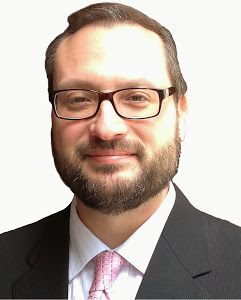
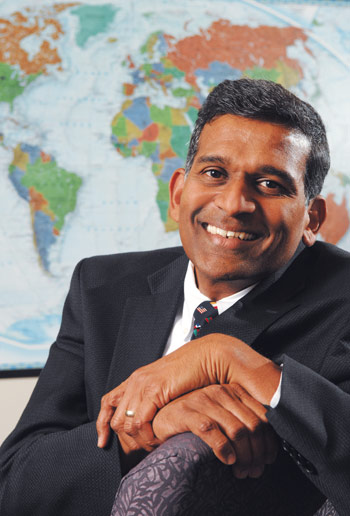
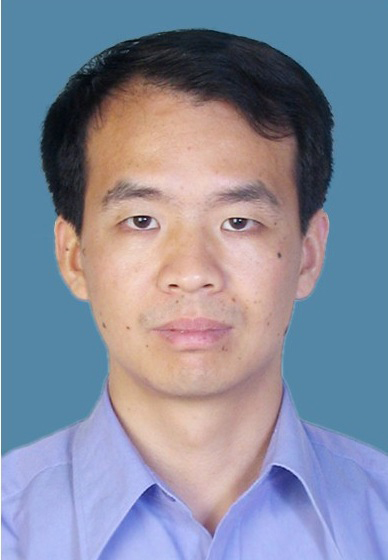
Eduardo GonzálezIMG_3729

Research Professor, Monterrey Institute of Technology and Higher Education, Guadalajara


Thursday, October 29, 7:00 p.m.
Sussman Theater, Olmsted Center, Drake University

—–

The “cult of Santa Muerte” (Saint Death) is the fastest growing and most prominent religious movement in Mexico today. Prof. González’s Comparison Project lecture explores the worship of Santa Muerte in the city of Guadalajara, focusing both on the general ways in which the church of Santa Muerte offers “a place for everyone” and on the specific ways in which Santa Muerte serves the needs of migrants attempting the crossing to the United States.

Eduardo González Velázquez is is a Research Professor at Monterrey Institute of Technology and Higher Education. He won the Jalisco Journalism Award in 2009 and 2007 in the category of reporting and writing respectively. He has published thirty articles and book chapters, including “Ciudadanos a la Mitad.” His current area of research is US-Mexico migration.

View Gonzalez’s PPT and listen to his lecture.  

10/08/2015: Death and Dying in Tibetan Buddhism

Tibetan Buddhist Monks from Labrang Tashi Kyil Monastery.

Tibetan Buddhist Monks from the Labrang Tashi Kyil Monastery

Thursday, October 8, 7:00 p.m.
Sussman Theater, Olmsted Center, Drake University

—–

What is death and dying in Tibetan Buddhism? Join us, as seven Tibetan Buddhist monks offer a presentation on death and dying as well as a demonstration of prayers, rituals, and dances related to death and dying. In particular, the monks will perform “Chod,” a ritual meditation on death to cut away attachments, and “Skeleton Dance,” a ritual dance of death to cultivate mindfulness of impermanence.

Seven monks from Labrang Tashikyil Monastery in Dehra Dun, India are touring the United States in 2015-16 to teach dharma, educate the public about the culture and religion of Tibet, and to raise funds for their monastery. The tour is being coordinated by the Tibetan Mongolian Buddhist Cultural Center in Bloomington, Indiana. It is the third such tour by the monastery.

View the monks’s powerpoint and hear their presentation

09/17/2015: How We Die: Evaluation, Reflection, Prescription

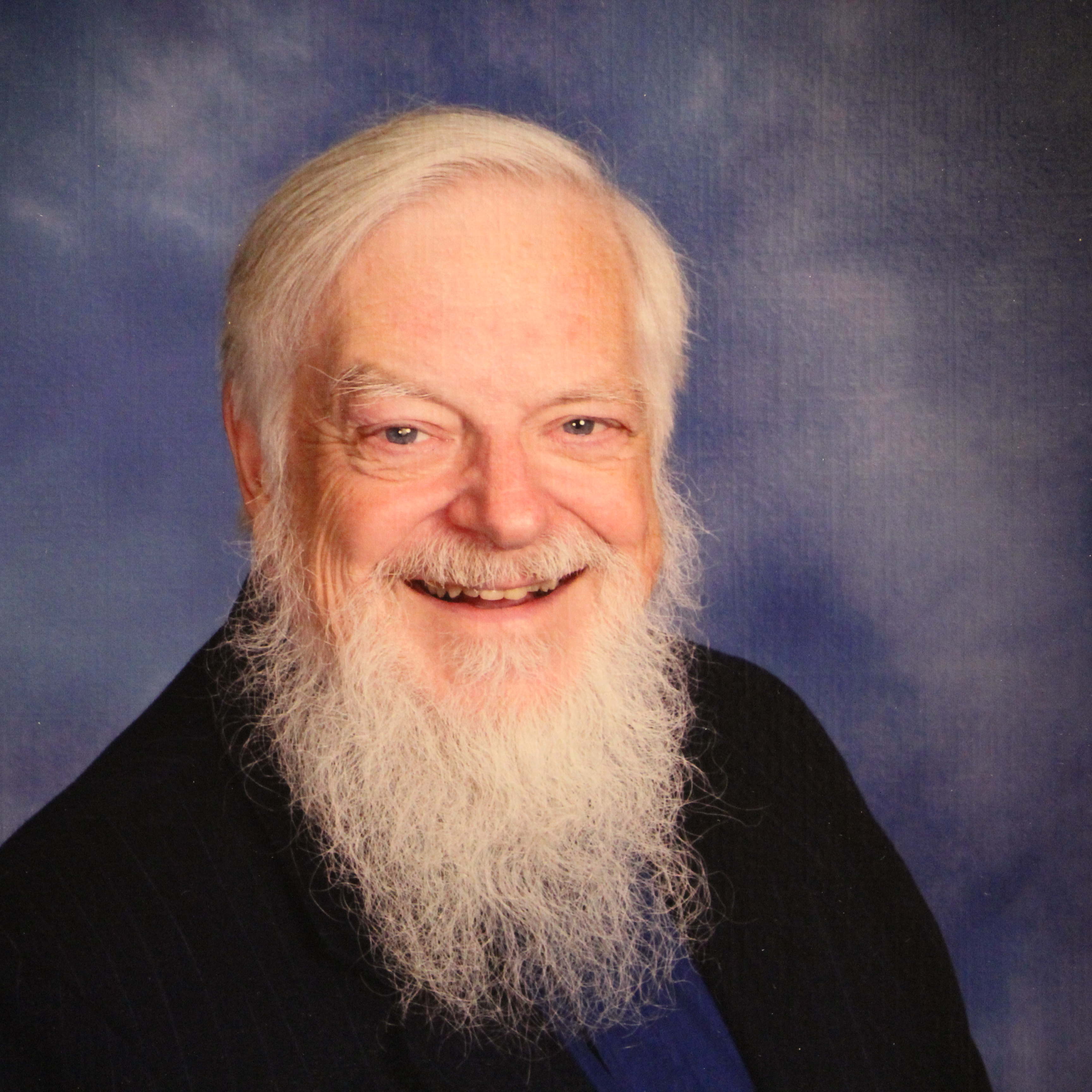
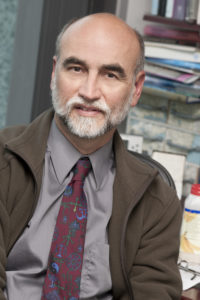
Zagoren picDr. Allen Zagoren, DO, MPA, FACOS, FACN
Associate Professor of Public Administration in the College of Business and Public Administration, Drake University

Thursday, September 17th
Sussman Theater, Olmsted Center, Drake University

—–

Dr. Zagoren’s Comparison Project presentation takes the audience on a journey through humanity’s continued confrontation with death, with an emphasis on our attempts to prolong the inevitable.  Along the way, the audience will gaze at western society’s attempt to define and depict the dying process, inspect the role that human technology has played in redefining and ultimately confusing the end of life, and look out at the potential impact of future technology.  Influenced by the bestselling book How We Die by Sherwin Nuland, Dr. Zagoren’s presentation, like Nuland’s, is grounded in a physician’s observations.  But Dr. Zagoren’s presentation travels beyond medicine and science to art and music, underscoring the central mystery that is our death. 

Dr. Allen Zagoren is Associate Professor of Public Administration in the College of Business and Public Administration at Drake University, where he also serves as Chairperson of the Department of Management and Public Administration and the Graduate Curriculum Committee.  He is a trained General And Trauma Surgeon with subspecialty training in Interventional Nutrition and Wound Healing.  He currently serves as the Medical Director of the Wound Healing Collaborative at Unity Point Health System, Central Iowa.  Dr. Zagoren’s areas of expertise include health education in health policy and bio-ethics.

Dr. Zagoren’s powerpoint and audio

04/30/2015: Concluding Comparisons

Tim Knepper and Leah Kalmanson,
Directors of The Comparison Project, Drake University professors of philosophy and religion.

April 30, 7 p.m., Sussman Theater, Olmsted Center

KalmansonKnepper

In the final event of its 2013-2015 series on “religion beyond words,” The Comparison Project’s directors, Tim Knepper and Leah Kalmanson, will compare over the programming of the last two years, raising philosophical questions of meaning, value, and truth about ineffability in comparative religious perspective. Knepper and Kalmanson will explore the diversities of ineffability in nine religious traditions as well as the arts and literature, focusing on the distinctive means by which humans speak about things they say cannot be spoken. Ultimately, Knepper and Kalmanson will also assess the ends toward which ineffability has been deployed in the practice and study of religion.

Timothy Knepper is associate professor of philosophy and religion at Drake University. He teaches and publishes in the philosophy of religion, comparative religion, late ancient Neoplatonism, and mystical discourse. He is the author of books on the future of the philosophy of religion (The Ends of Philosophy of Religion, Palgrave, 2013) and the sixth-century Christian mystic known as Pseudo-Dionysius the Areopagite (Negating Negation, Wipf & Stock, 2014).

Leah Kalmanson is Assistant Professor of Philosophy and Religion at Drake University. She researches and teaches in the fields of Asian and comparative philosophy, continental philosophy, and postcolonial theory. She has published the co-edited volumes Confucianism in Context (SUNY 2010), Levinas and Asian Thought (Duquesne 2013), and Buddhist Responses to Globalization (Lexington 2014).


*Note about Kalmanson’s presentation: Kalmanson is indebted to works by Tomoko Masuzawa and Jason Ānanda Josephson (listed below) for her discussion of the history of the term “religion” in Europe. Her quotations in the Hakuseki-Sidotti exchange are taken (at times with slight modification) from the Josephson source.

  • Josephson, Jason Ānanda. The Invention of Religion in Japan. Chicago: University of Chicago Press, 2012.
  • Masuzawa, Tomoko. The Invention of World Religions: Or, How European Universalism Was Preserved in the Language of Pluralism. Chicago: University of Chicago Press, 2005.


Translate »