
12/03/2015: Fall Interfaith Dialogue

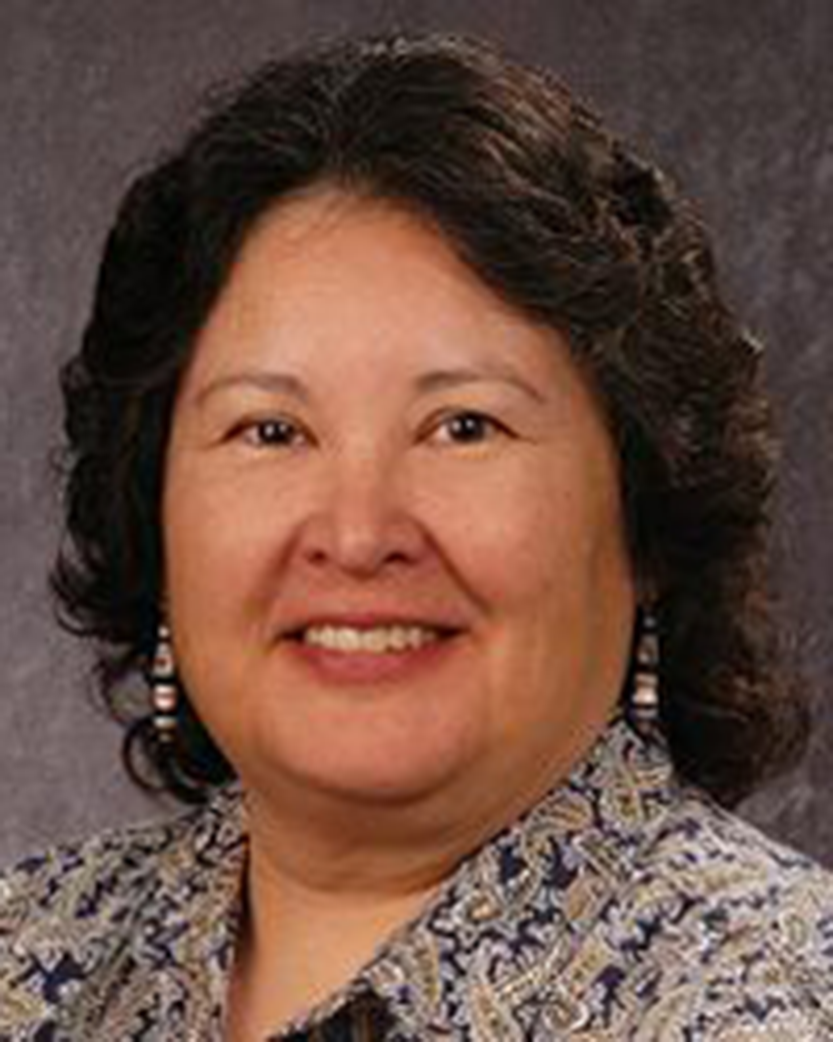
Moderator:Norma Hirsch
  • Norma Hirsch, Professor of Osteopathic Medicine
    at Des Moines University
Panelists:
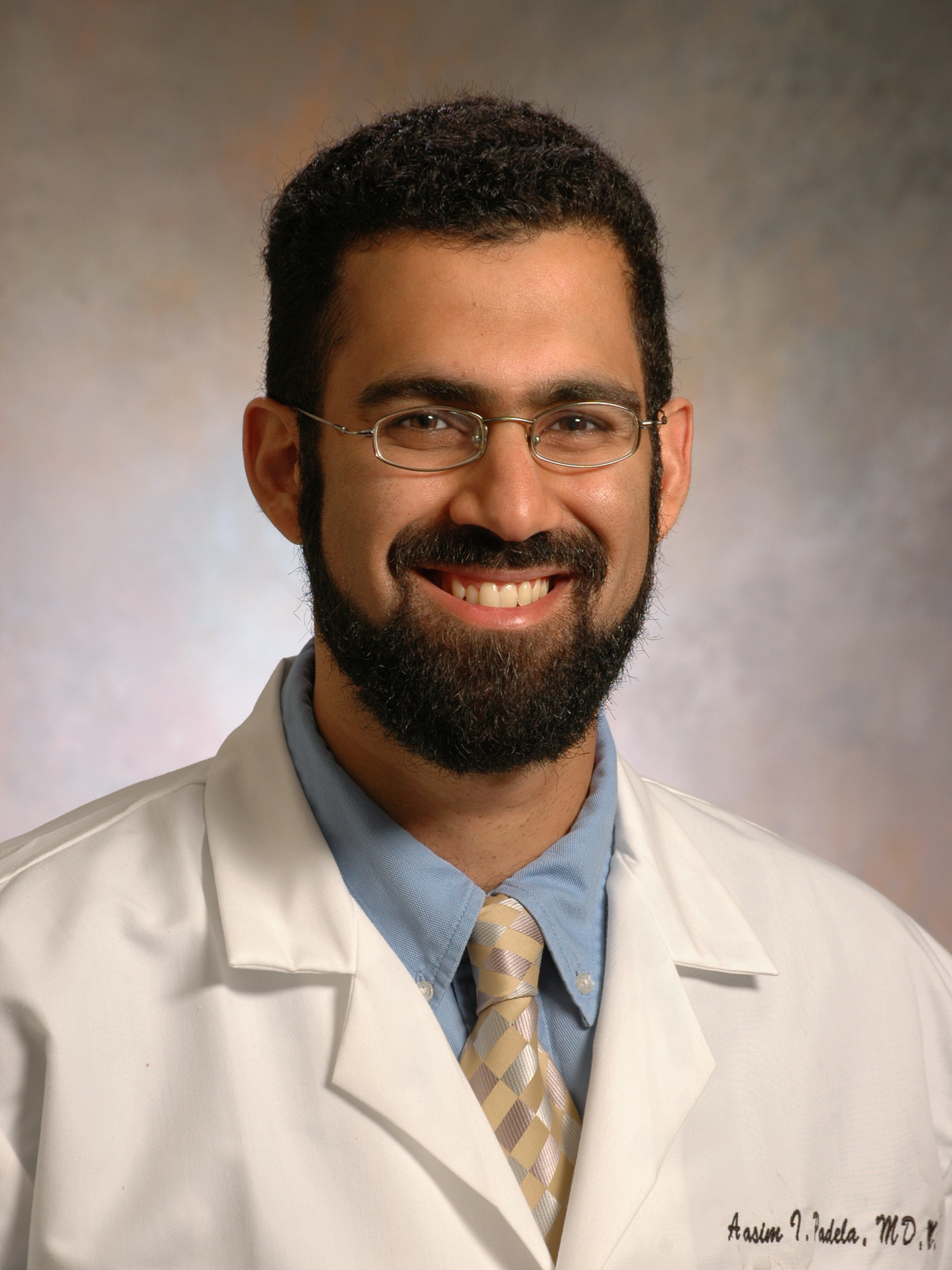
  • Sayeed Hussain, Pediatrician, West Des Moines Children’s Clinic
  • Pramod Mahajan, Associate Professor of Pharmacology, Drake University
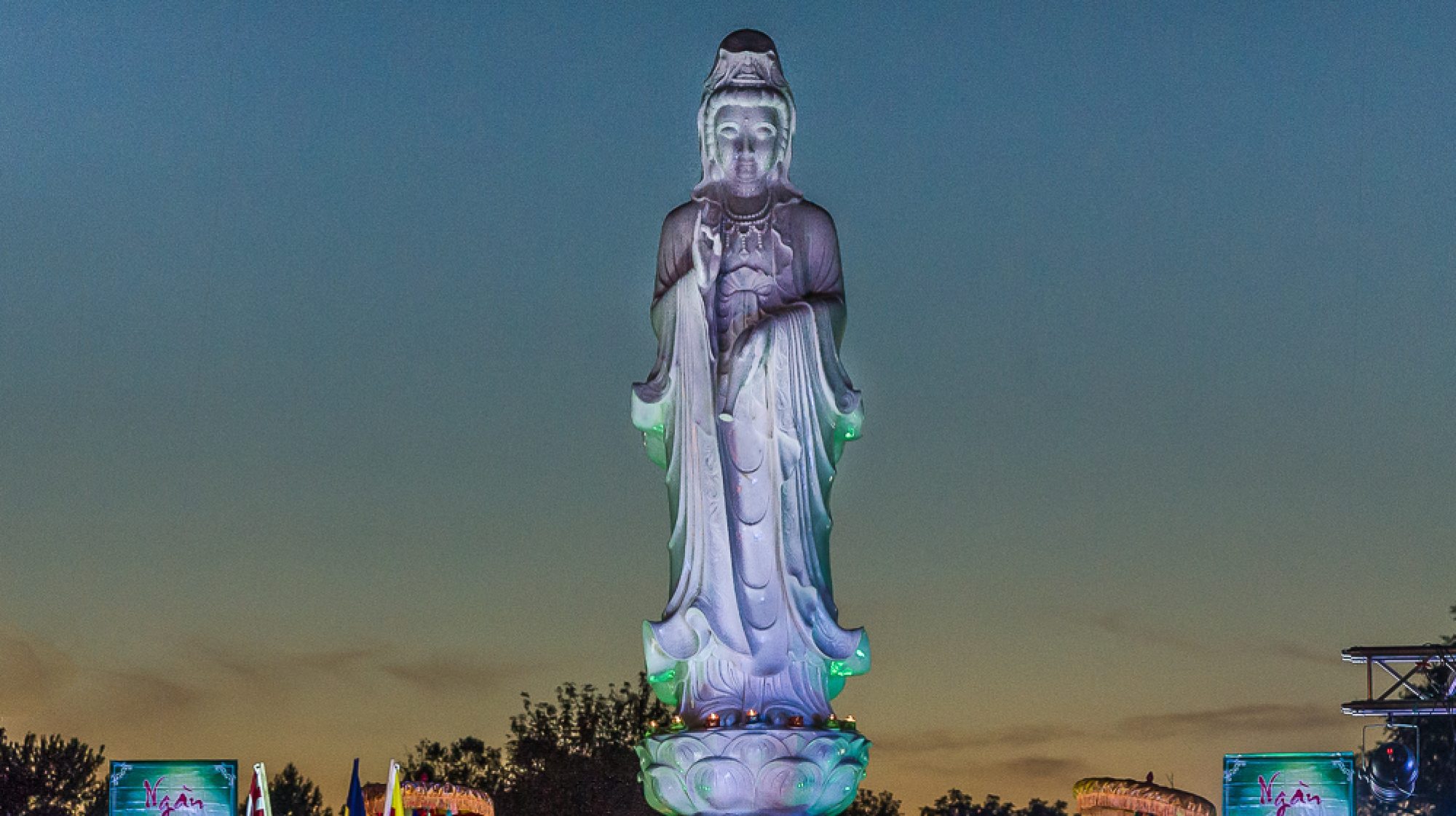
  • You Bin, Fulbright Visiting Scholar of Religion, Minzu University of China
  • Joseph Moravec, Professor of Theology and Philosophy, Mercy College

Thursday, December 3, 7:00 p.m.
Iles Funeral Homes, Dunn’s Chapel
2121 Grand Ave, Des Moines

—–

How do the religions of the world understand death and dying? What rituals do they practice as preparation for death and in response to death? What effects has the “medicalization of death” had on these traditional understandings and practices? And what does the medical community need to know about traditional religious theologies and rituals related to death and dying?

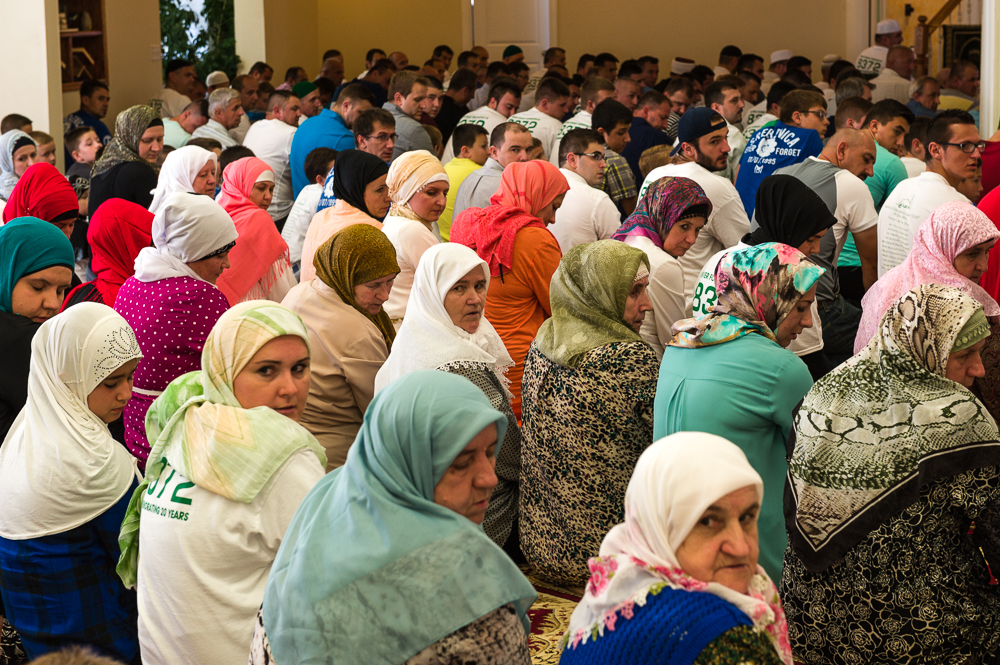
The Comparison Project’s Community Interfaith Dialogue will explore these questions from the perspectives of Hinduism, Islam, Christianity, and Chinese Religion. Our moderator and panelists will focus particularly on the tensions between traditional theologies and rituals of death and the way in which death has increasingly become the domain of medicine and law. There will be ample time for questions from the audience.

Videos:
Dialogue
Questions

Pramod Mahajan

Joseph MoravecSayeed HussainYouBin

10/08/2015: Death and Dying in Tibetan Buddhism

Tibetan Buddhist Monks from Labrang Tashi Kyil Monastery.

Tibetan Buddhist Monks from the Labrang Tashi Kyil Monastery

Thursday, October 8, 7:00 p.m.
Sussman Theater, Olmsted Center, Drake University

—–

What is death and dying in Tibetan Buddhism? Join us, as seven Tibetan Buddhist monks offer a presentation on death and dying as well as a demonstration of prayers, rituals, and dances related to death and dying. In particular, the monks will perform “Chod,” a ritual meditation on death to cut away attachments, and “Skeleton Dance,” a ritual dance of death to cultivate mindfulness of impermanence.

Seven monks from Labrang Tashikyil Monastery in Dehra Dun, India are touring the United States in 2015-16 to teach dharma, educate the public about the culture and religion of Tibet, and to raise funds for their monastery. The tour is being coordinated by the Tibetan Mongolian Buddhist Cultural Center in Bloomington, Indiana. It is the third such tour by the monastery.

View the monks’s powerpoint and hear their presentation

Student Comparisons and Evaluations (S15)

Professor Knepper’s Spring 2105 Philosophy of Religion course looked at discourses of ineffability in Jewish mysticism and Muslim mysticism (as well as a little Zen Buddhism).  In their final papers students were asked to describe and compare several of these discourses, then both to explain their commonalities and differences and to evaluate the general claim that ultimate beings and/or experiences are ineffable. Below are some of their final papers:

Student Comparisons and Evaluations (Spring 2014 Philosophy of Religion Course)

Professor Knepper’s Spring 2104 Philosophy of Religion course looked at discourses of ineffability in Chinese Daoism, West African Religion (of the dozos), Sikhism, and Christian mysticism.  In their final papers they were asked to describe and compare several of these discourses, then both to explain their commonalities and differences and to evaluate the general claim that ultimate beings and/or experiences are ineffable. Below are some of their final papers:

Translate »