
Calvin Community: Healthy Aging and Brain Wellness

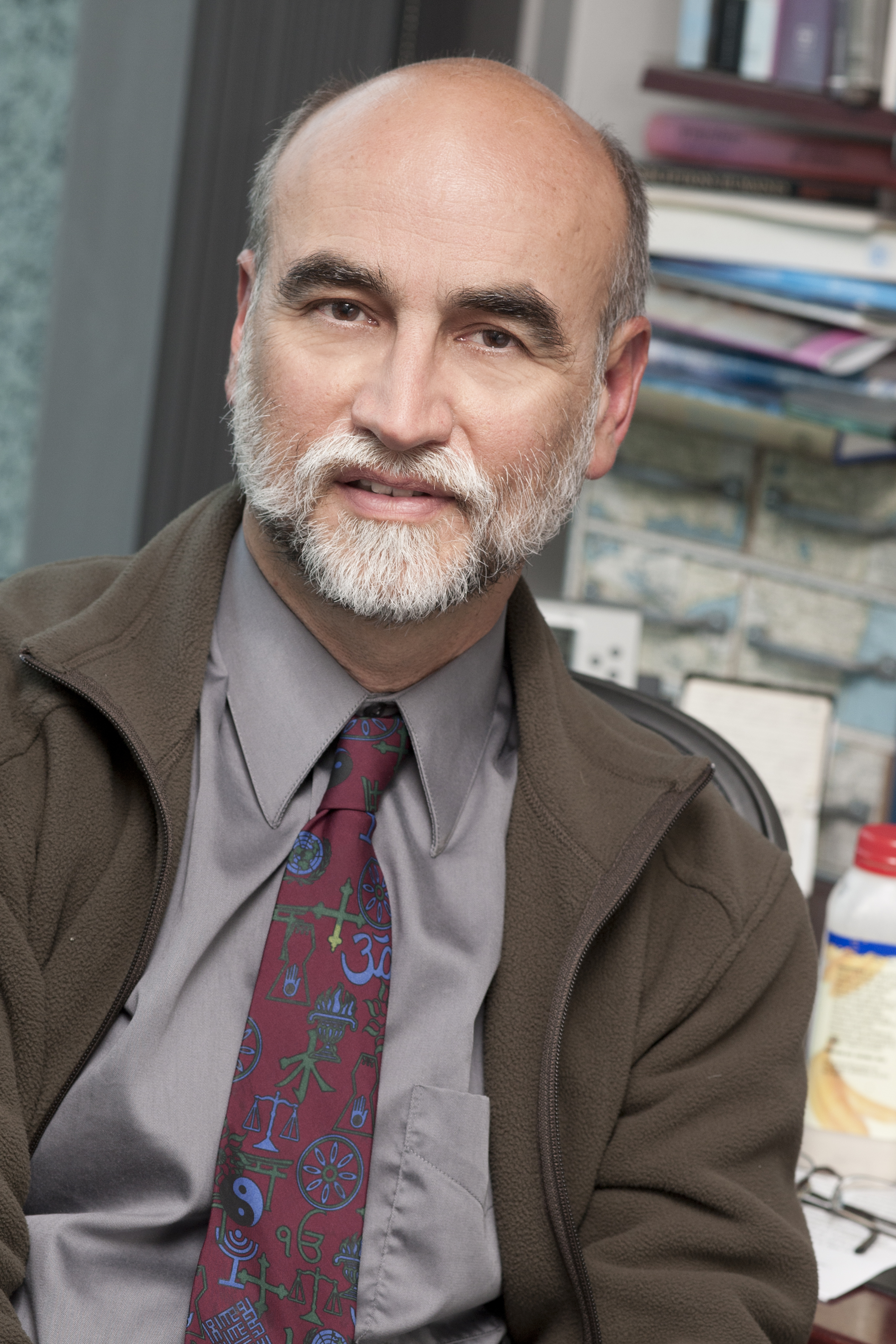
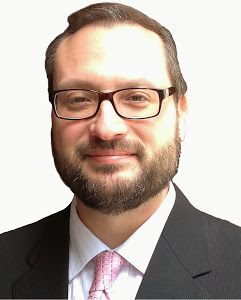
Robert BenderDr_-Bender-2013
Geriatric/Dementia Specialist, Broadlawns Medical Center

Moderator: Mary Mincer Hansen
Co-Chair, Age Friendly Great Des Moines Health Committee

Tuesday, January 26, 7:00 p.m.
Sussman Theater, Olmsted Center, Drake University
—–

It’s a commonplace that physical exercise is an important element of healthy aging. What is less well recognized is the benefit of exercising your brain.

According to Dr. Bender, combining physical exercise and cognitive activity along with other factors such as diet, meditation, and medication can help to retard the progression of Alzheimer’s and other dementia related diseases. He notes that modern science has revealed that humans “get new brain cells every day until the day we die.”

Dr. Bender, who has practiced as a geriatrician for more than 30 years, will share what modern medicine has taught about aging well, along with some of the insights he has gained from his work in the Mather Brain Gymnasium at Broadlawns.

—–

Dr. Mincer Hansen is the former Director of the Iowa Department of Public Health. Dr. Mincer Hansen has served in many national positions and held many roles involving public health.

Continuing education credit is available through HCI Care Services for nurses and other healthcare professionals.

—–

View the video recording of the event

12/03/2015: Fall Interfaith Dialogue

Moderator:Norma Hirsch
  • Norma Hirsch, Professor of Osteopathic Medicine
    at Des Moines University
Panelists:
  • Sayeed Hussain, Pediatrician, West Des Moines Children’s Clinic
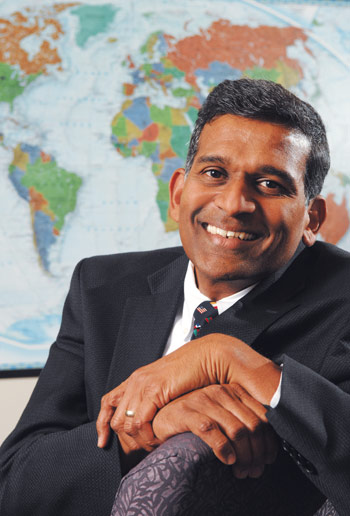
  • Pramod Mahajan, Associate Professor of Pharmacology, Drake University
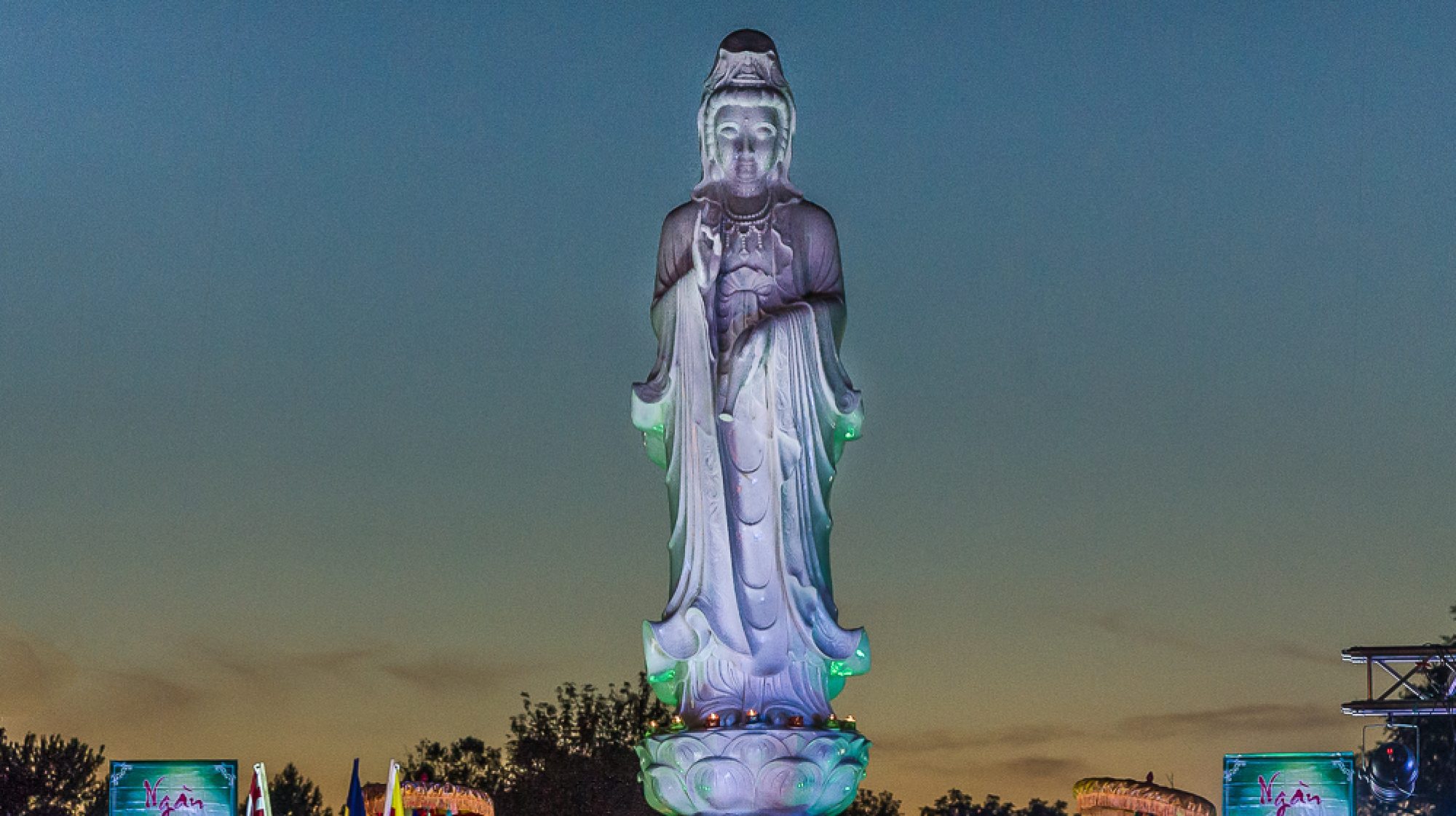
  • You Bin, Fulbright Visiting Scholar of Religion, Minzu University of China
  • Joseph Moravec, Professor of Theology and Philosophy, Mercy College

Thursday, December 3, 7:00 p.m.
Iles Funeral Homes, Dunn’s Chapel
2121 Grand Ave, Des Moines

—–

How do the religions of the world understand death and dying? What rituals do they practice as preparation for death and in response to death? What effects has the “medicalization of death” had on these traditional understandings and practices? And what does the medical community need to know about traditional religious theologies and rituals related to death and dying?

The Comparison Project’s Community Interfaith Dialogue will explore these questions from the perspectives of Hinduism, Islam, Christianity, and Chinese Religion. Our moderator and panelists will focus particularly on the tensions between traditional theologies and rituals of death and the way in which death has increasingly become the domain of medicine and law. There will be ample time for questions from the audience.

Videos:
Dialogue
Questions

Pramod Mahajan

Joseph MoravecSayeed HussainYouBin

11/19/2015: Christians Encounter Death: Tradition’s Ambivalent Legacies

Lucy BregmanLucy5

Professor of Religion, Temple University

Thursday, November 19, 7:00 p.m.
Pomerantz Stage, Olmsted Center, Drake University

—–

The central focus for Christians has been on the death of Jesus Christ; it is his dying and death and resurrection that have shaped what Christians have believed, taught, and hoped. In this lecture, some of the implications and limits of this model for death will be brought to light. While we recognize enormous diversity in practice and actual experiences of Christians, some issues persist in the way this tradition has understood how death fits within the totality of human existence.

Lucy Bregman has been at Temple University since 1974 and is the author of several books on death and dying, including Death in the Midst of Life, Beyond Silence and Denial, and Preaching Death. She has also chaired the American Academy of Religion’s program unit on Death, Dying and Beyond.

To listen to the audio of the lecture:

10/29/2015: La migración y el culto a la Santa Muerte: asirse a lo que sea (“Migration and the Cult of Santa Muerte: Hanging onto Whatever”)

Eduardo GonzálezIMG_3729

Research Professor, Monterrey Institute of Technology and Higher Education, Guadalajara


Thursday, October 29, 7:00 p.m.
Sussman Theater, Olmsted Center, Drake University

—–

The “cult of Santa Muerte” (Saint Death) is the fastest growing and most prominent religious movement in Mexico today. Prof. González’s Comparison Project lecture explores the worship of Santa Muerte in the city of Guadalajara, focusing both on the general ways in which the church of Santa Muerte offers “a place for everyone” and on the specific ways in which Santa Muerte serves the needs of migrants attempting the crossing to the United States.

Eduardo González Velázquez is is a Research Professor at Monterrey Institute of Technology and Higher Education. He won the Jalisco Journalism Award in 2009 and 2007 in the category of reporting and writing respectively. He has published thirty articles and book chapters, including “Ciudadanos a la Mitad.” His current area of research is US-Mexico migration.

View Gonzalez’s PPT and listen to his lecture.  

Translate »