
Global Philosophy of Religion in the Local Des Moines Community
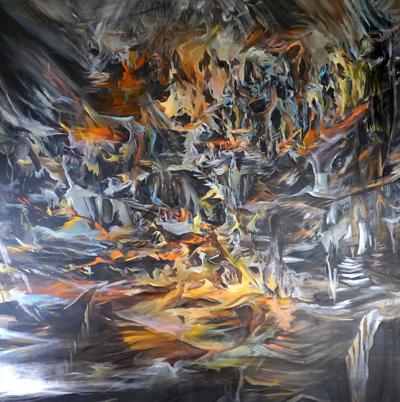
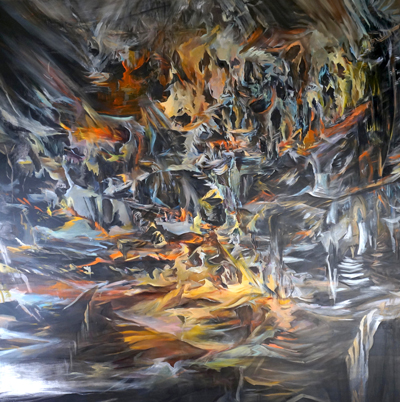
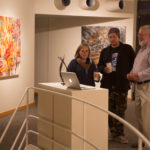
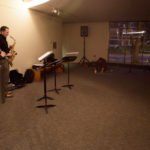
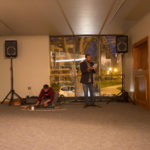
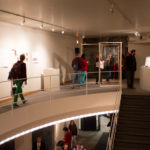
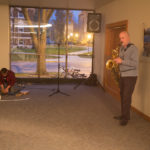
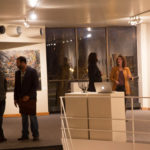
Drake University’s Comparison Project hosts two exhibitions on art and ineffability during the month of November with opening events on Friday, November 7. The opening events feature poetic and musical performances of ineffability from 5:00 to 6:00 p.m. in Weeks Gallery, a gallery talk on contemporary abstract painting as a form of wordless communication at 6:15 p.m., and a concert by the jazz sax quartet New Third Stream Quartet at 7:30 p.m. in Sheslow Auditorium.
Everday Abstraction in the Anderson Gallery is an exhibition of contemporary abstract painting as a form of wordless communication. It features the paintings of five artists from across the United States. It will be on view through January 23, 2015. Visit the Anderson Gallery website for more information.
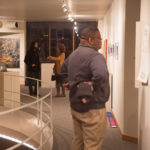
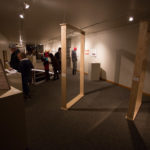
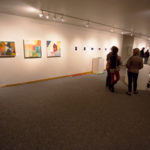
Weeks Gallery will display works by various artists, all of whom are responding to the theme of “ineffability” through painting, photography, sculpture, and mixed media projects. The exhibition entitled, Performing Ineffability: Art, Poetry, Music will remain on display through the end of November. An associated art installation in Scott Chapel will be on display from November 5 to 7.
Two of the poet-artists involved in the exhibition opening are also participating in events on Thursday, November 6. At 6:00 p.m. Christopher Janke lectures on ineffability in contemporary poetry, and at 7:30 p.m. Douglas Kearney performs from his recent work Patter and hosts readings from Drake’s Coalition of Black Students and Des Moines’s Run DSM. Both poetry events will be held in the Cowles Library Reading Room.
All events are free and open to the public.
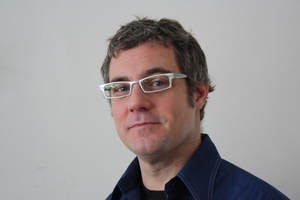
 Christopher Janke, Independent Poet and Artist
Thursday, November 6, 6:00 p.m.
Cowles Library Reading Room
Using a Net to Catch the Air: Poetry, Ineffability, and Small Stones in a Shoe is a free-form lecture—a meditation—on the way certain poets create aesthetic experiences by simultaneously constructing and undermining their own linguistic creations.
Christopher Janke explores the connection between words and the world with sculptural poetics. His poems have been in Harper’s, The American Poetry Review, and dozens of other journals. His first book, Structure of the Embryonic Rat Brain, won the Fence Modern Poets Series Prize; a two-volume set of poetry, Blink Song, is due out from H_NGM_N Books in 2015.
Christopher Janke’s lecture manuscript
Listen to audio of Janke’s lecture:
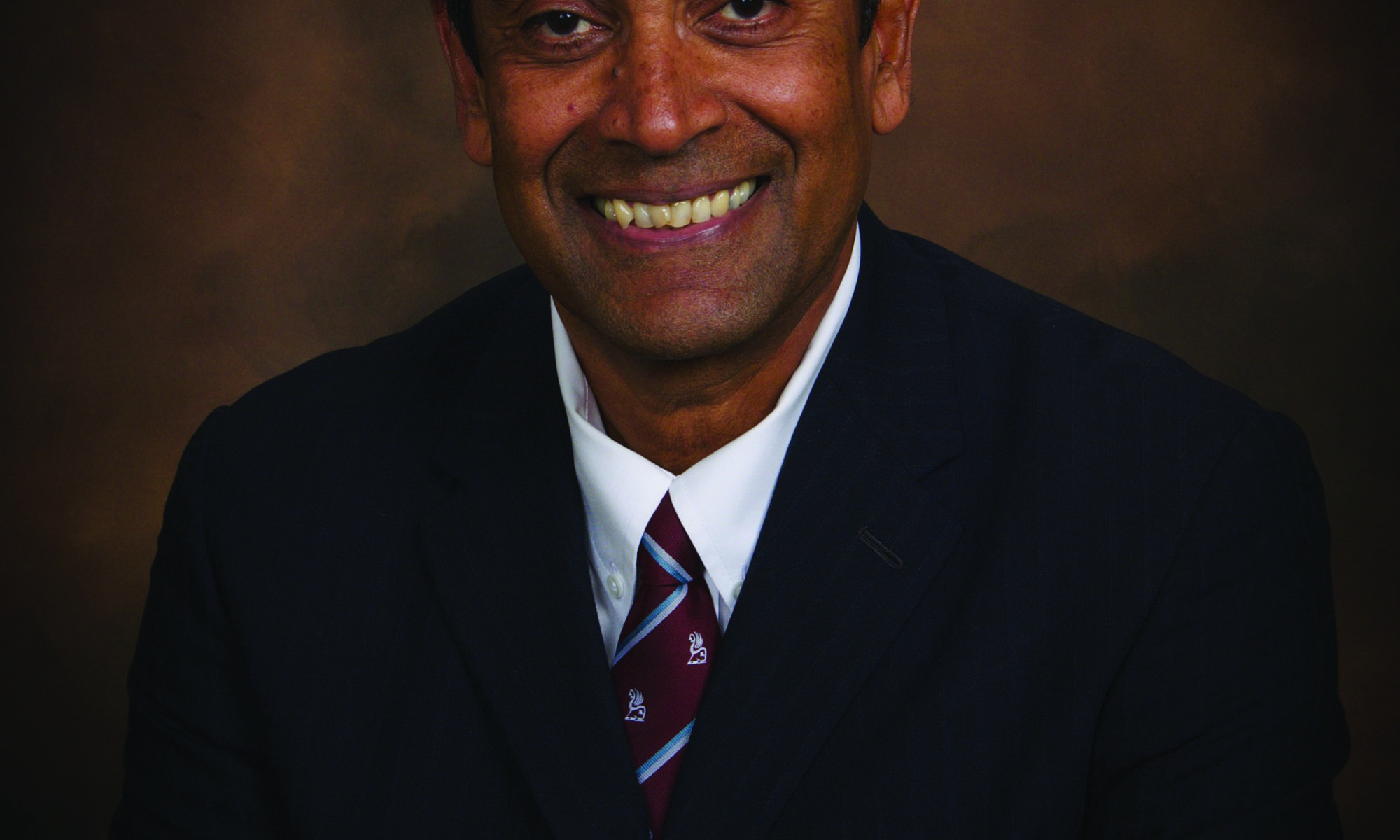
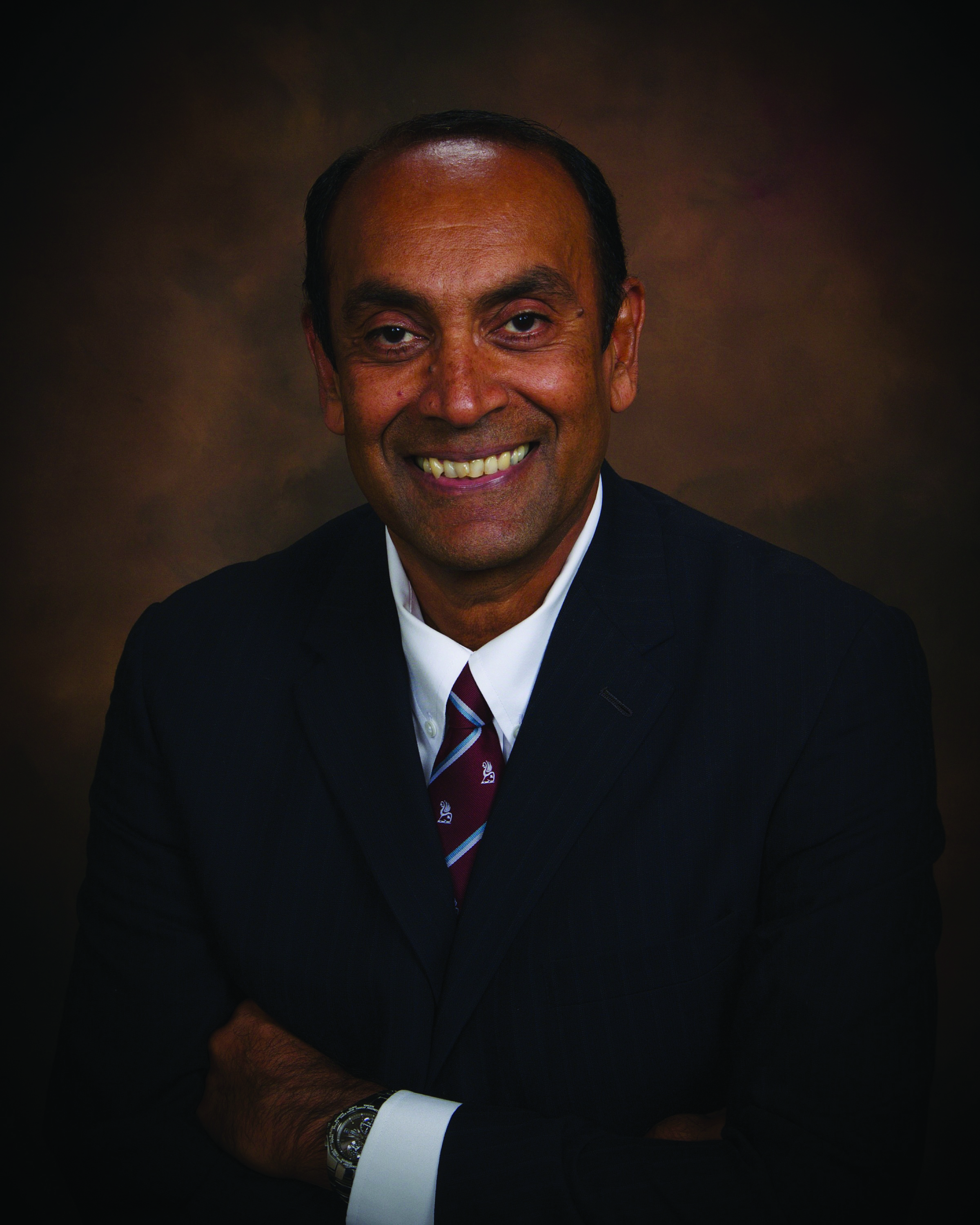 Lecture by Anantanand Rambachan, Professor of Religion, St. Olaf College
Thursday, October 9, 7:00 p.m., Sussman Theater, Olmsted Center
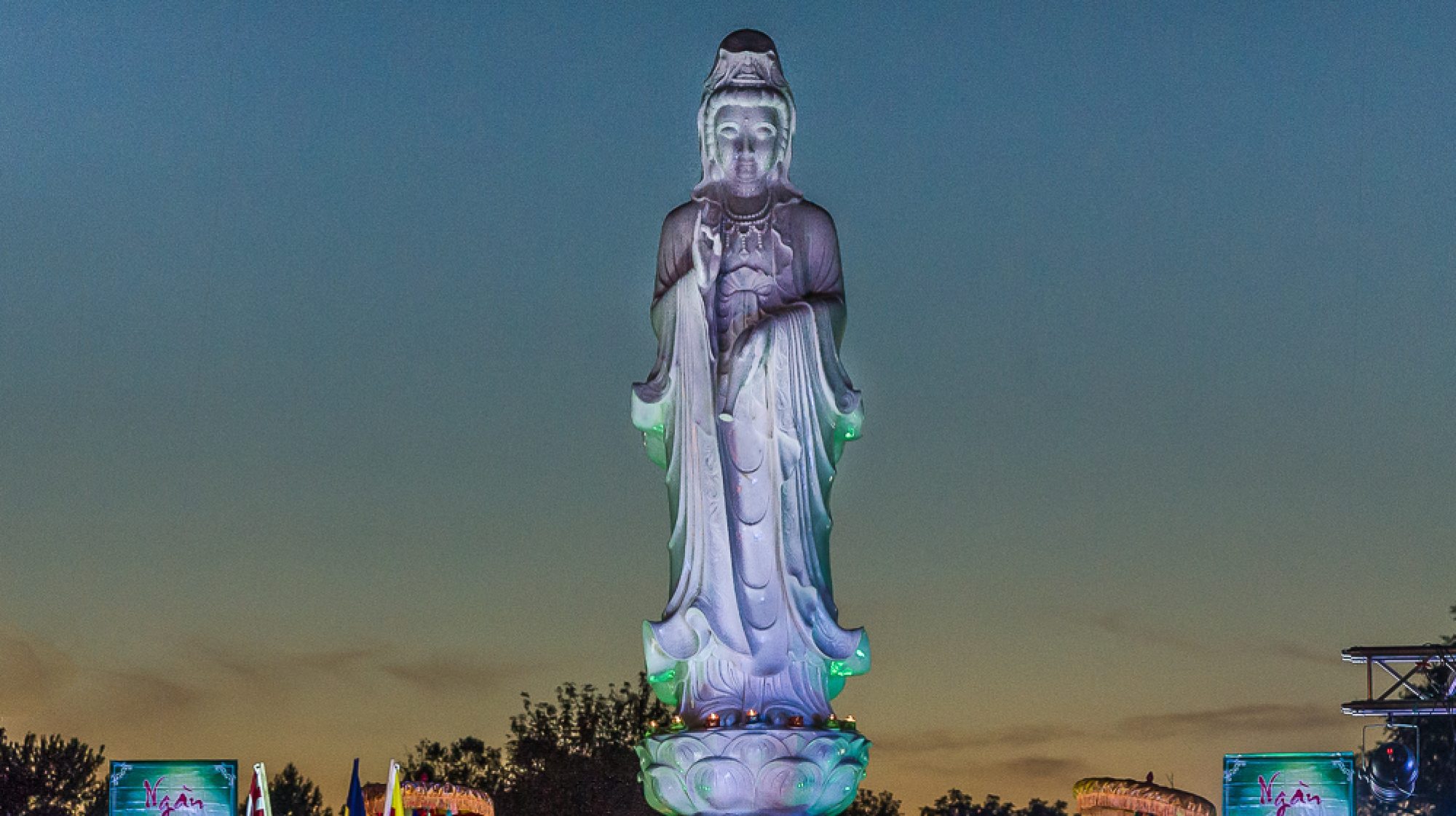
Advaita is a non-dual Vedānta tradition within Hinduism, based on an exegesis of the
Upaniṣads, the final sections of the Vedas. Its principal systematizer and exponent is Śaṅkara (ca. 8th CE). Advaita regards the words of the Upanṣads as a valid source for our knowledge of the limitless (brahman). Speaking about brahman, however, is challenging. Brahman is not one object among other objects and is not available for observation through objectification. It possesses none of the characteristics through which words are usually able to describe a subject. Advaita offers a skillful mode of instruction about brahman, employing finite word-symbols to speak of the infinite. This lecture will consider this predicament and the methods employed in the texts and tradition to deal with the limits of language.
Anantanand Rambachan is Professor of Religion at Saint Olaf College, Minnesota, where he
has taught since 1985. His books include, Accomplishing the Accomplished: The Vedas as a
Source of Valid Knowledge in Śaṅkara, The Limits of Scripture: Vivekananda’s Reinterpretation of the Authority of the Vedas, The Advaita Worldview: God, World and Humanity, and A Hindu Theology of Liberation: Not-Two is Not One. The British Broadcasting Corporation transmitted a series of 25 lectures on Hinduism by Professor Rambachan around the world.
Download Rambachan’s Powerpoint Presentation