
10/09/2014: “That From Which All Words Return”: The Distinctive Methods of Language Utilization in Hinduism’s Philosophical Tradition of Advaita Vedanta

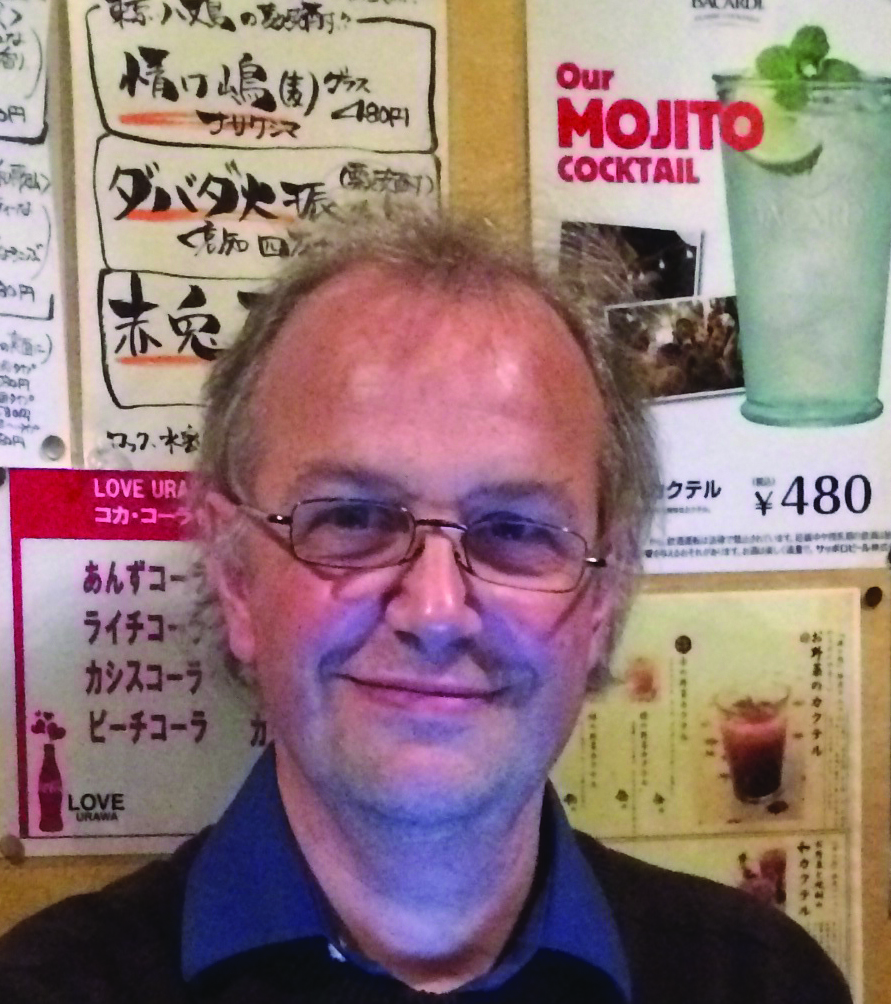
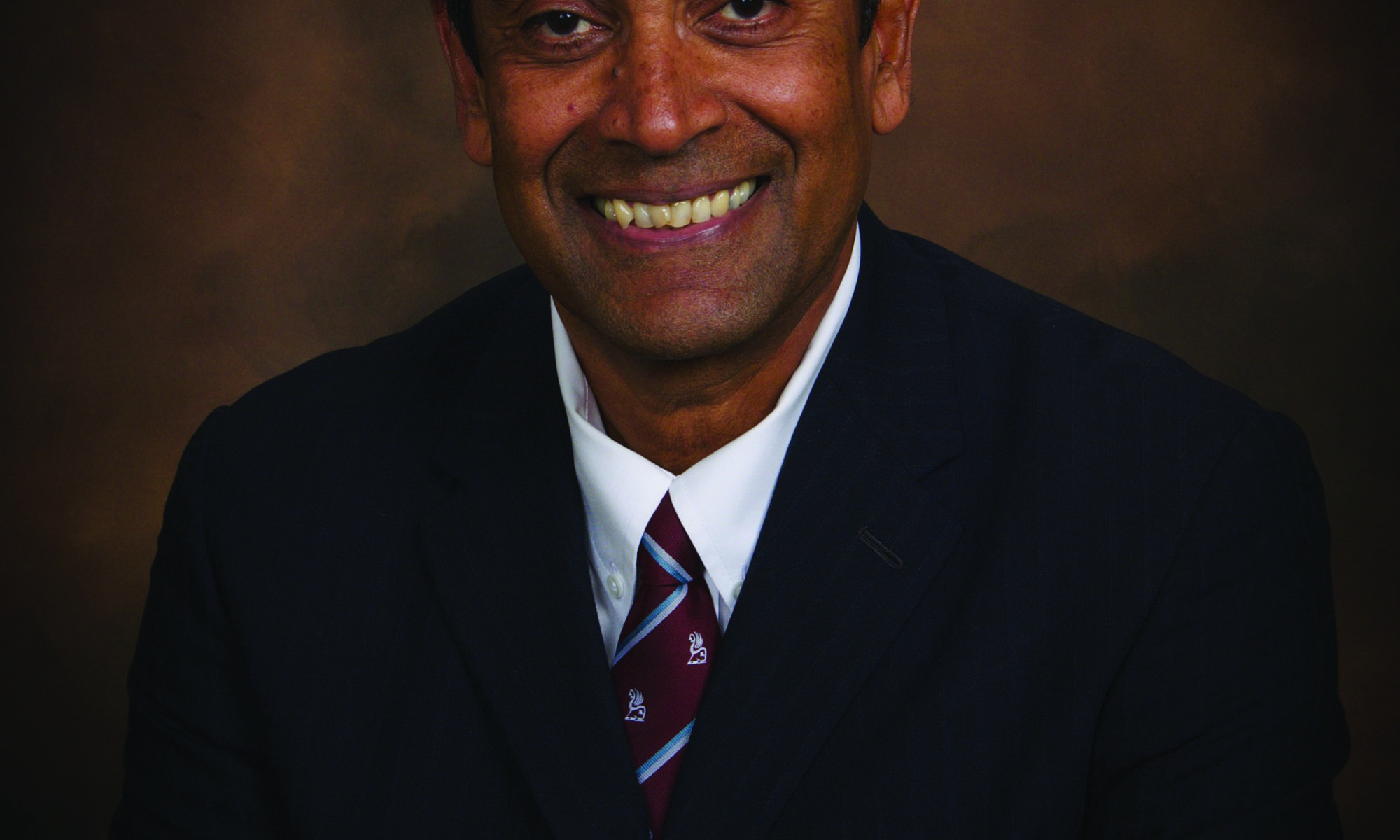
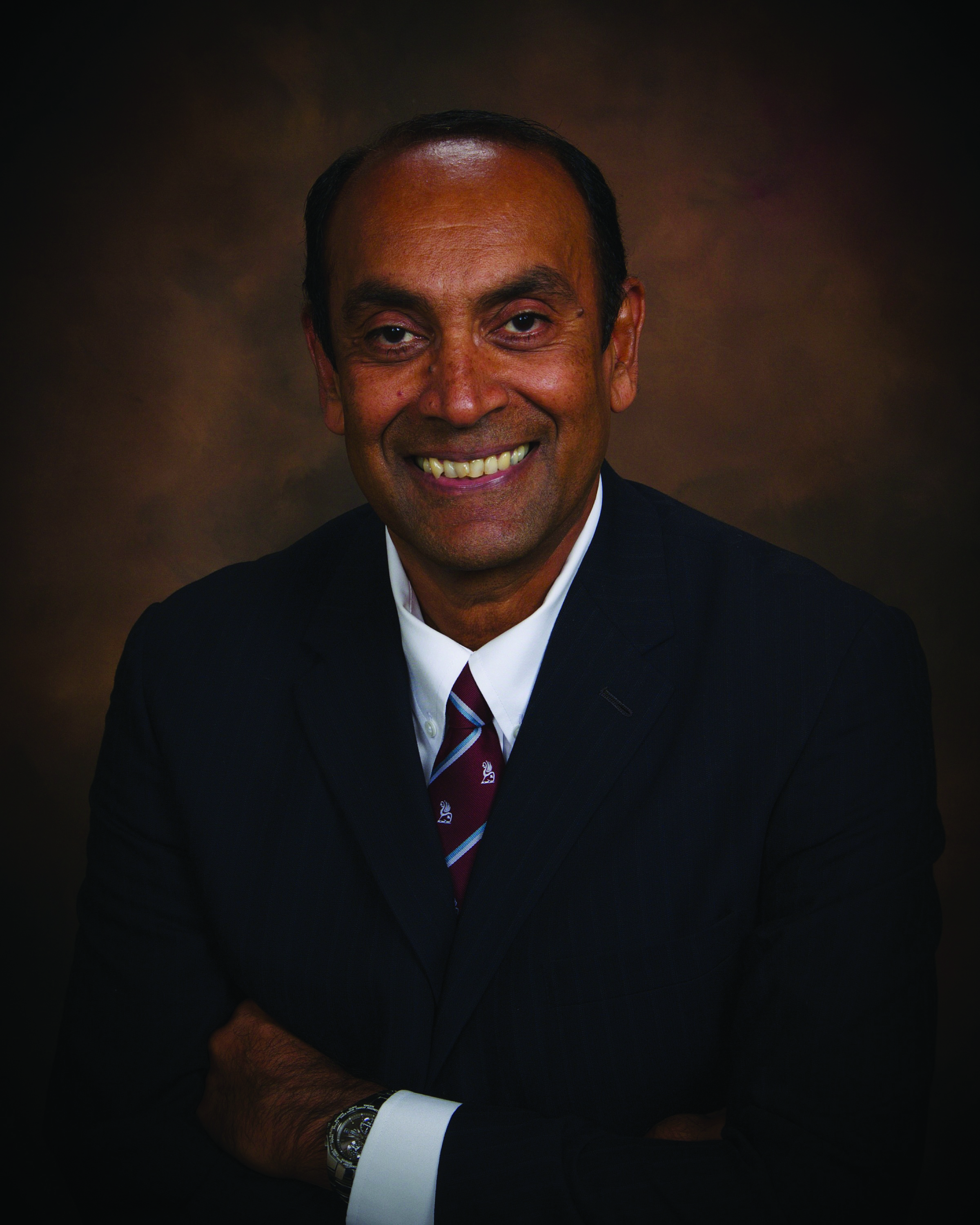
Anantanand RambachanLecture by Anantanand Rambachan, Professor of Religion, St. Olaf College

Thursday, October 9, 7:00 p.m., Sussman Theater, Olmsted Center

Advaita is a non-dual Vedānta tradition within Hinduism, based on an exegesis of the
Upaniṣads, the final sections of the Vedas. Its principal systematizer and exponent is Śaṅkara (ca. 8th CE). Advaita regards the words of the Upanṣads as a valid source for our knowledge of the limitless (brahman). Speaking about brahman, however, is challenging. Brahman is not one object among other objects and is not available for observation through objectification. It possesses none of the characteristics through which words are usually able to describe a subject. Advaita offers a skillful mode of instruction about brahman, employing finite word-symbols to speak of the infinite. This lecture will consider this predicament and the methods employed in the texts and tradition to deal with the limits of language.

Anantanand Rambachan is Professor of Religion at Saint Olaf College, Minnesota, where he
has taught since 1985. His books include, Accomplishing the Accomplished: The Vedas as a
Source of Valid Knowledge in Śaṅkara, The Limits of Scripture: Vivekananda’s Reinterpretation of the Authority of the Vedas, The Advaita Worldview: God, World and Humanity, and A Hindu Theology of Liberation: Not-Two is Not One. The British Broadcasting Corporation transmitted a series of 25 lectures on Hinduism by Professor Rambachan around the world.

Download Rambachan’s Powerpoint Presentation
 

09/18/2014: When Expression Is Expressed, Non-Expression Is Not-Expressed: A Zen Buddhist Approach To Talking About The Ineffable

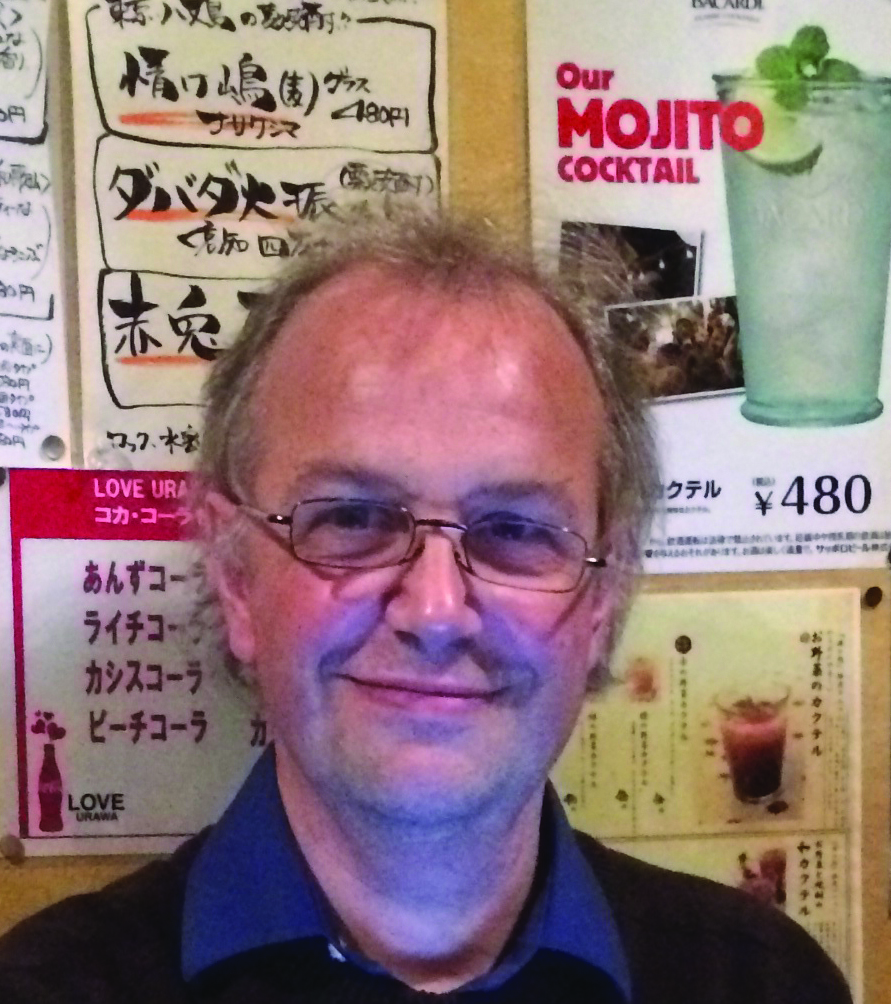
KopfThursday, September 18th, 7:00 p.m., Sussman Theater, Olmsted Center

Lecture by Gereon Kopf, Associate Professor of Religion, Luther College

Philosophy of religion as developed in the monotheistic traditions of Christianity and Islam explores the question as to if/how it is possible to talk about and predicate God. One of the answers to this question is negative theology, which claims that any predication of God in positive terms is impossible.The religious philosophies developed in the Zen Buddhist tradition has often been accused of rejecting any linguistic description of the absolute. While the rhetoric of silence is rather pervasive among Zen thinkers, it is often accompanied by a solid philosophy of language and even, to use a contemporary term, signification. Some Zen thinkers even go so far as to suggest that linguistic discourses on the absolute are not only possible but also necessary. One of them is the medieval Japanese Zen master Dōgen. To Dōgen language is one of the many possible ways to “express” and “manifest” what we call the “divine.” This talk will explore Dōgen’s philosophy of “expression” and suggest a new understanding of philosophy of religion on the basis of his thought.

Gereon Kopf received his Ph.D. from Temple University and is currently professor of Asian and comparative religion at Luther College. As a research fellow of the Japan Foundation and the Japan Society for the Promotion of Science, he conducted research in 1993 and 1994 at Obirin University
in Machida, Japan, and at the Nanzan Institute for Religion and Culture in Nagoya, Japan, from 2002
to 2004. In the academic year of 2008-2009, he taught at the Centre of Buddhist Studies at the University of Hong Kong. He is the author of Beyond Personal Identity (2001), co-editor of
Merleau-Ponty and Buddhism (2009), and editor of the Journal of Buddhist Philosophy.

09/06/2014: Meditation Workshop and Dialogue

Saturday, September 6, 9:00 a.m. to 12:00 p.m.
First Christian Church, 2500 University Avenue, Des Moines

Learn to Meditate!

You are invited to participate in a meditation workshop on Saturday, September 6. The event features six local meditation instructors, each of whom will teach classes on their meditative practice, then engage in dialogue with one another about these practices. Participants will have the opportunity to learn about and try several techniques. Free and open to the public. Light breakfast will be served.

Meditation Instructors and Techniques:

  • Charlie Day, founder of the Des Moines Meditation Group, will teach universal breath meditation.
  • Eido Epse, head priest at the Des Moines Zen Center and vice abbot of the Ryumonji Zen Monastery in Dorchester, Iowa, will teach Zen shikantaza “just sitting” meditation.
  • Betty Ruth Krueger, author and senior meditation instructor with the Art of Living Foundation, will facilitate a pratyahara “substitute food for mind” meditation, in the tradition of the Patanjali Yoga Sutras.
  • Prasad Palakurthy, cardiologist at UnityPoint Health and yoga instructor at the Hindu Temple and Cultural Center of Iowa, will teach Hindu Kundalini Yoga.
  • Kathy Reardon, spiritual director in practice at the Des Moines Pastoral Counseling Center and commissioned presenter of centering prayer by Contemplative Outreach International, will teach centering prayer.
  • Father Silouan, an Eastern Orthodox rassaphor monk who has established close relationships with the Greek Orthodox Church of St. George and St. Demetrius Serbian Orthodox Church, will teach the Orthodox Christian mystical eremitic prayer tradition, hesychasm.

Meditation Workshop Program

Listen to audio of the Dialogue portion of the event:


04/10/2014: Expressing the Inexpressible: The Heartbeat of Sikh Mysticism

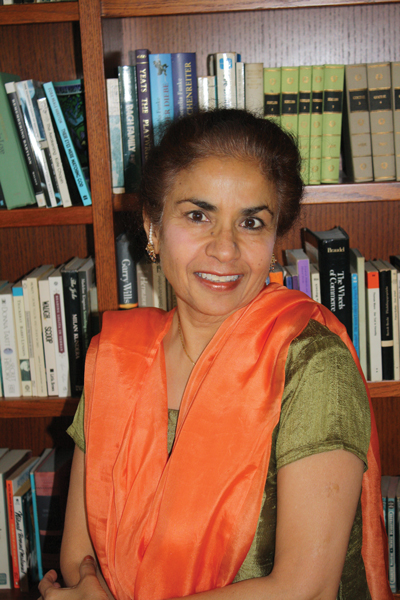
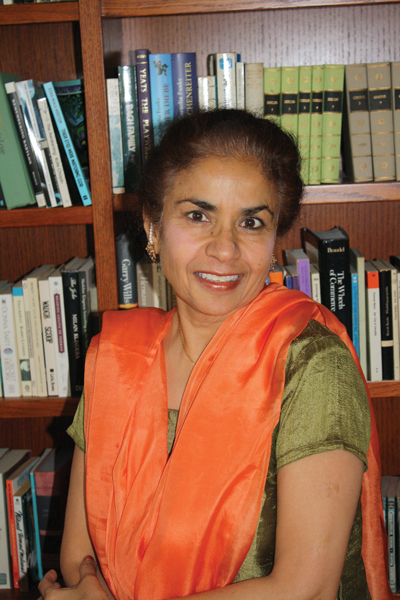
Photo of Nikky-Guninder Kaur SinghExpressing the Inexpressible: The Heartbeat of Sikh Mysticism

Nikky-Guninder Kaur Singh, Crawford Family Professor of Religion, Colby College

Thursday, April 10, 7:00 p.m., Cowles Library Reading Room

“Beat of the heart” can serve as a metaphor for understanding the complexities of Sikh mysticism. Like the flow of blood in this vital organ, Sikh mysticism is vividly, compactly, though ineffably conveyed as the flow (phora) across (meta) the physical and the metaphysical, the noumenon and the phenomena, the spiritual and the practical. Since metaphors maintain a dynamic tension between a simultaneous “is and is not,” they perform a uniquely revelatory function (Paul Ricoeur, 1976). My question then: with the beat of the heart as our metaphor, what “new vision of reality springs forth”? What sonic, semantic, and existential aspects of Sikh mysticism can we recover?

Nikky-Guninder Kaur Singh is the Crawford Family Professor at Colby College. She has published extensively in the field of Sikhism, and her views have been aired on television and radio in America, Canada, England, India, Australia, and Bangladesh. Born in India, Professor Singh came to America to attend Stuart Hall, a Girls’ Preparatory School in Virginia. She later received her B.A. in Philosophy and Religion from Wellesley College, her M.A. from the University of Pennsylvania, and her Ph.D. from Temple University.

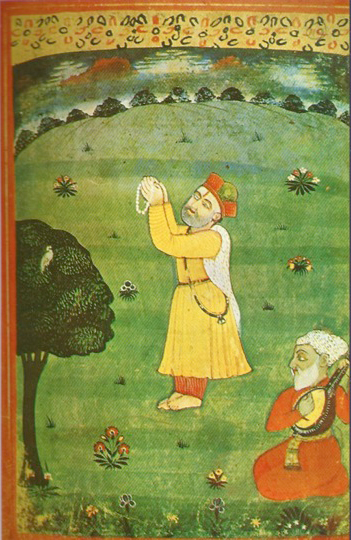
Painting of Guru Nanak

Listen to the audio of Prof. Singh’s talk:

Translate »