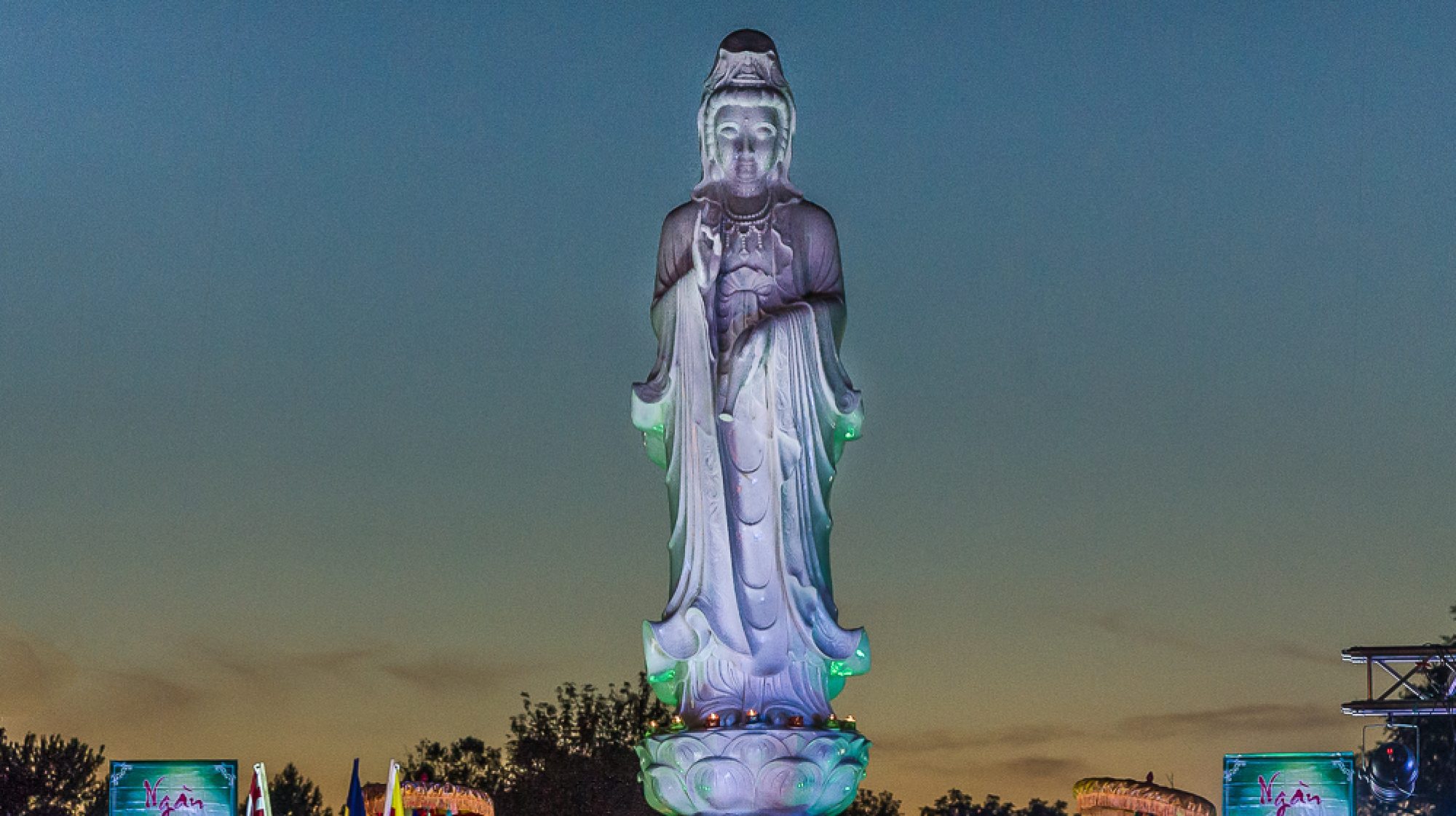

On Saturday, December 6, from 9:00 am – 12:00 pm, The Comparison Project hosts a “Meditation Workshop and Dialogue” in Meredith Hall on Drake’s campus. The event, which is free and open to the pubic, features meditation instructors representing different religious traditions and techniques. Light breakfast fare will be available.
Attendees will have the opportunity to learn and practice three different meditation styles over three concurrent blocks during the first half of the event. Instructors of these sessions collectively represent the meditative traditions of Hinduism, Buddhism, Sikhism, Christianity, and Islam. During the second half of the event, all of the instructors will be available for dialogue and Q&A.
On Thursday, November 20, at 6:00 pm in the Harkin Institute (2800 University Ave), Dr. Syed Zaidi, Lecturer in Philosophy and Religion at Butler University, will lecture on “Islam and Disability.”
Dr. Zaidi’s lecture will examine how the Qur’ān and the “Way” of the Prophet Muhammad created the foundation for special attention to those who have special needs.
See below for a recording of Dr. Zaidi’s lecture and powerpoint.
On Sunday, November 2, the Des Moines Area Religious Council (DMARC) holds its annual “songs of gratitude” multi-faith concert.
Enjoy a night of celebration and song during the season of gratitude. Hear performances from our many diverse neighbors in the DSM interfaith community. Learn more and help the more than 75k individuals utilizing a DMARC Food Pantry this year.
On Thursday, October 23 at 6:00 pm in the Harkin Institute (2800 University Ave), Dr. Herbert Moyo, Associate Professor of Theology at University of KwaZulu-Natal, will lecture on “Ukukhubazeka (Disabilities) in the Nguni Cultural Worldview.”
Herbert Moyo is an Associate Professor of Theology at the University of KwaZulu-Natal in South Africa. He is an ordained minister in the Evangelical Lutheran church. His research interests are in church and politics, pastoral care for the vulnerable in society, the praxis of African religions, Isintuism, African indigenous knowledge systems, and the philosophy of religion.
Dr. Moyo’s lecture will look at understandings, treatments, and experiences of disability among the Nguni people of southern Africa.
The Nguni are continuously positively transforming their understanding and treatment of people living with disabilities. The Nguni are made up of mainly four tribes (The Ndebele, Swati, Zulu, and Xhosa) located in Zimbabwe, Eswatini (former Swaziland), and South Africa. The languages of these tribal grouping are related, and they can communicate across the tribal groups. The customs and traditions of the Nguni are related, as they have the same roots that can be called “Isintu.”
There is no monolithic contemporary view on ukukhubazeka/ubulima (disability) among the Nguni people. Traditionally, disability from birth was viewed as a curse from ancestors, while disability after birth was mainly attributed to witchcraft. The different forms and causes of disability determine the treatment of the disabled by the family and the community. Disability associated to witchcraft was treated with empathy, as the anger of the community was directed to the witches. Disability because of a curse by ancestors, such as being born crippled or blind, was viewed as a curse against the parents, and there was no empathy for such since it was a form of punishment. The victim was be ostracized. In some instances, parents would be accused of creating the disability of their children to amass wealth, and this type of disability was given silent treatment. In contemporary contexts, however, disability is often explained as an accident therefore empathized.
This presentation will engage and expose the Isintuism around disability, showing the role played by witches, ancestors, greediness, and nature, and demonstrating a variety of perspectives and responses. This presentation will conclude by showing how the Church, education, and human development have transformed the Nguni understanding of disability over the years. Disabled people are now treated much better than in the past. Human-rights lawyers and advocates have transformed the way disability is understood and treated in line with international human-rights laws . As a result, people living with disabilities in contemporary Nguni circles are able to go to school and are employed to earn a living. All public buildings are by law required to be user friendly to different forms of disabilities.
Here is a video-recording of Dr. Moyo’s PPT and talk: