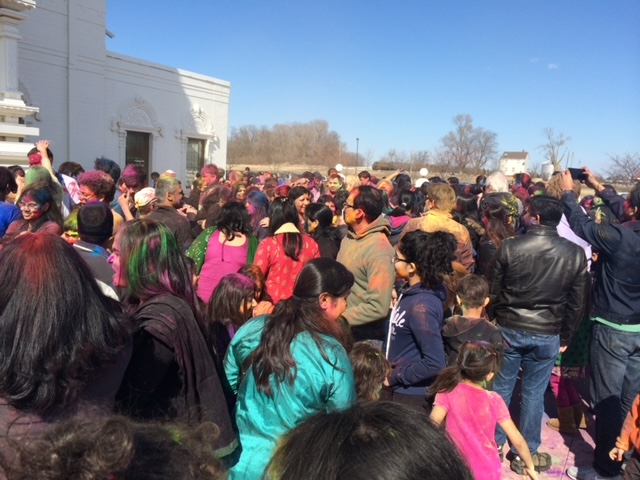
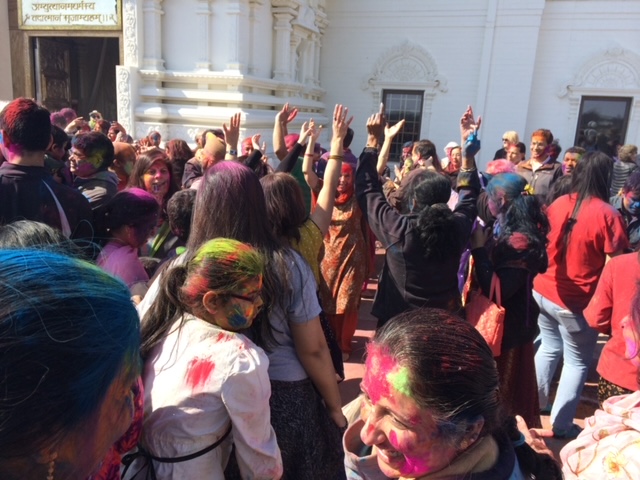
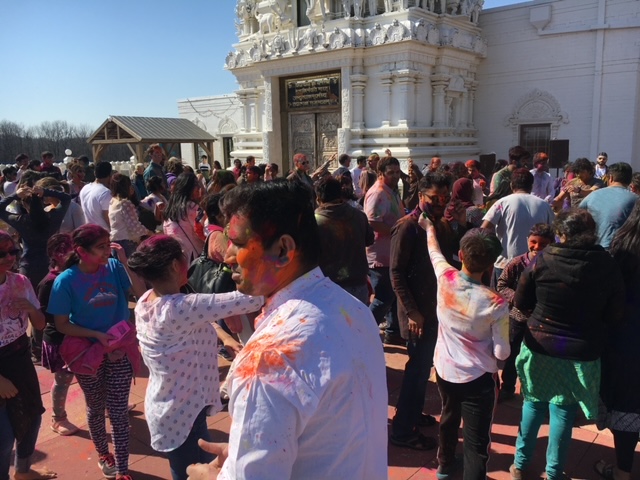
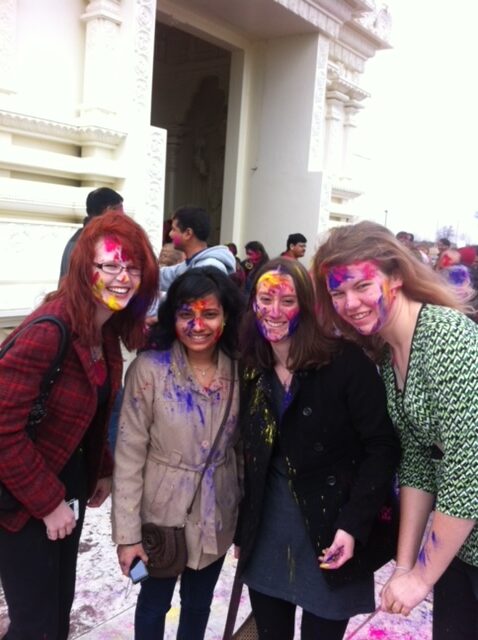
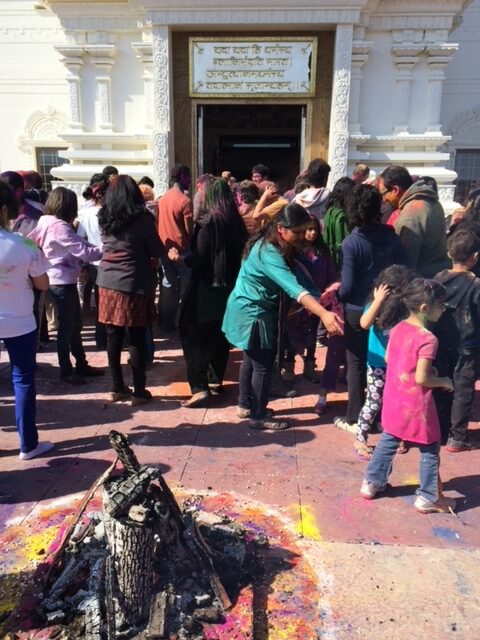
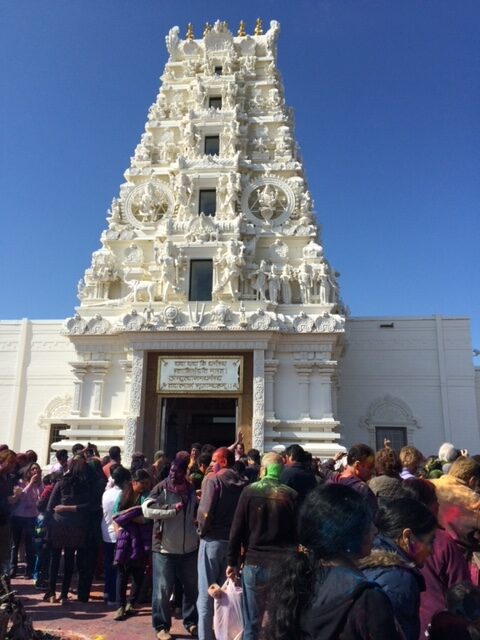
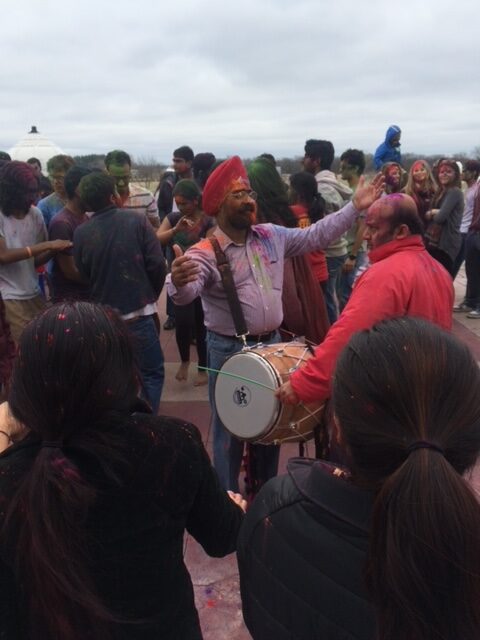
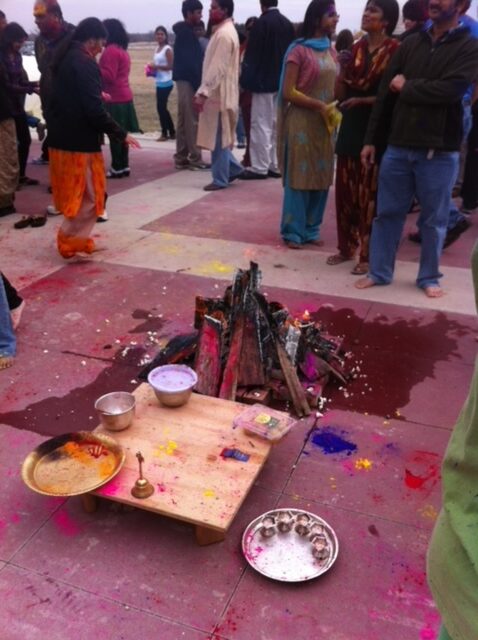
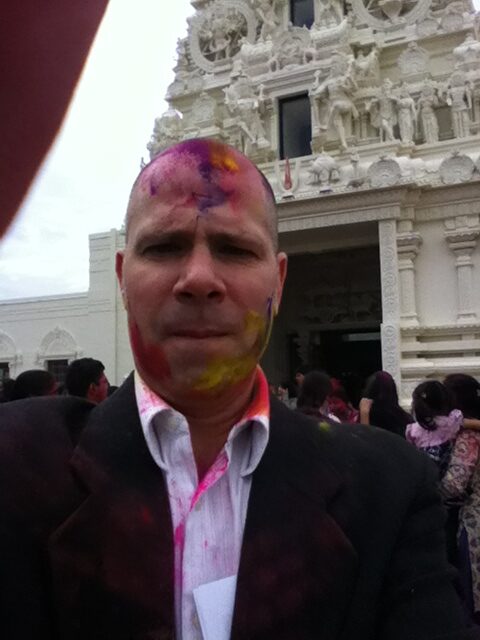
On Sunday, March 8 from 11:00am–3:00pm (roughly), we will join the Hindu Temple and Cultural Center (33916 155th Lane, Madrid) in the annual celebration of Holi. Guests will be able to tour the temple, observe the Holi fire ritual (Holika Dahan), throw colored powered at one another, and dance.
Please dress accordingly if you are going to participate in the throwing of colors.
Lunch is available for purchase from the temple.
This event is part of the “Meet My Religious Neighbor” series, which is co-programmed with CultureALL, the Des Moines Area Religious Council, and Interfaith Alliance of Iowa.
On Sunday, February 15, from 3:00–5:00 pm, Drake University’s The Comparison Project, in conjunction with the “Iowa Interfaith Exchange,” hosts “Roads to Religion” in the Olmsted Center (Parents Hall) on Drake’s campus. The event, which is free and open to the public, features dozens of local religious communities, collectively representing at least a dozen religious traditions. These communities will be arranged throughout the hall as if on a map of the metro area. Visitors will receive a map to guide them in their exploration of them. Refreshments will be provided by Drake’s catering service, Sodexo.
The Comparison Project engages in the practice of comparative philosophy of religion, increases understanding of local-lived religion, and cultivates interfaith literacy and leadership. It is supported by Drake’s Center for the Humanities, Drake’s Stringfellow and Hay Lectureships, Drake’s Slay Fund for Social Justice, Drake’s Principal Center for Global Citizenship, Humanities Iowa, and Cultivating Compassion: The Dr. Richard Deming Foundation.
The ”Iowa Interfaith Exchange” includes Drake’s The Comparison Project and three other local nonprofits: CultureALL, the Des Moines Area Religious Council, and Interfaith Alliance of Iowa.
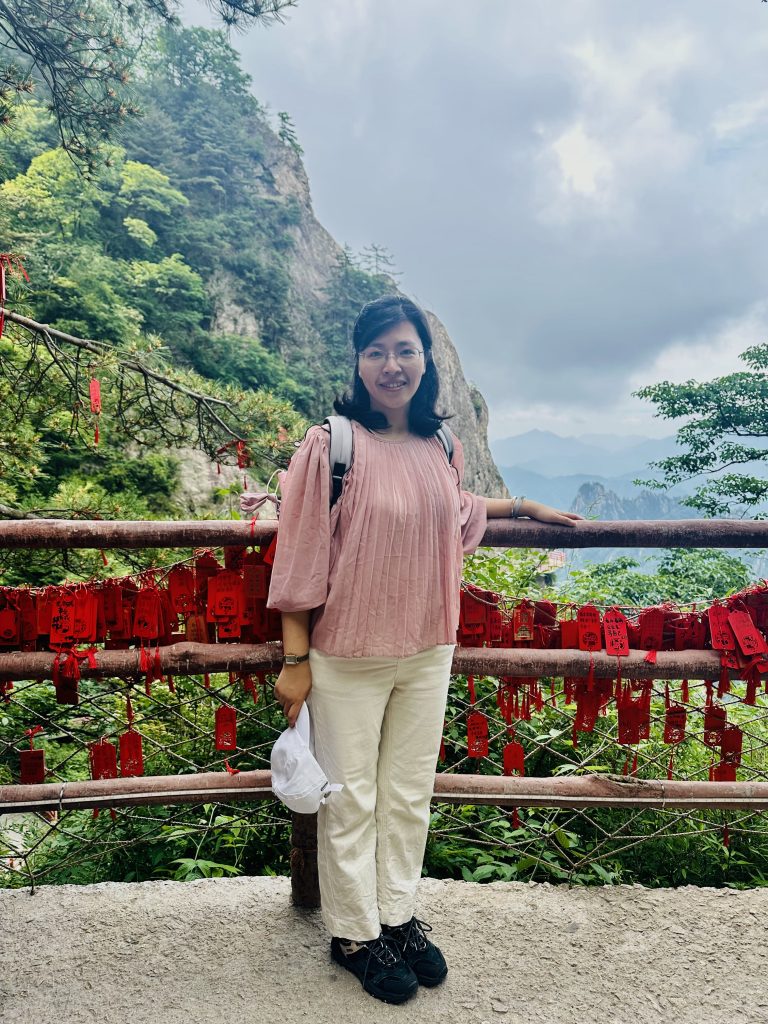
On Thursday, February 26, at 6:00 pm in the Harkin Institute (2800 University Ave), Dr. Baolin Wu, Assistant Professor of Religion at Minzu University of China, will lecture on “Reverence, Humility, and Friendship: On Confucius’s Interactive Interpretation of Disability Care.”
The “interactivity” inherent in Confucius’s care for people with disabilities is first grounded in sincere human communication, which serves as the prerequisite for interaction between the disabled individual and society. For Confucius, the holistic interconnectedness of body and mind, along with self-awareness, is equally endowed to both persons with disabilities and non-disabled individuals. Concurrently, every person should conscientiously recognize their own limitations and maintain genuine humility when engaging with people with disabilities. The specific principles of Confucius’s disability care include upholding human dignity and equality, providing appropriately tailored substantive assistance premised on self-awareness and empathy, and prioritizing the well-being of the recipient to facilitate their social integration and acceptance. When caregivers perceive disability care as a responsibility in the pursuit of life’s true essence, giving care becomes a form of self-help. Behind such an attitude lies a stance rooted in metaphysical foundations: reverence for Heaven and a profound recognition of Heaven’s noble qualities. Heaven creates and sustains all things in silent stillness; by emulating this celestial virtue in human relations, Confucius naturally embodied universal compassion, respect, and empathy for others—transcending distinctions of social status. Blind musicians, too, deeply grasped the “Way of Heaven,” “alignment with celestial timing,” and the sacred wisdom of nurturing all beings, playing a unique and profound role in the institution of remonstration. Such mutual understanding enabled Confucius and the blind musicians to transcend the one-way care model. Therefore, individuals with disabilities and non-disabled individuals can serve as mutual helpers and beneficiaries, and form sincere companions in the journey of learning from Heaven.
Please find a video recording of Prof. Wu’s PowerPoint and talk below.
On Saturday, December 6, from 9:00 am – 12:00 pm, The Comparison Project hosts a “Meditation Workshop and Dialogue” in Meredith Hall on Drake’s campus. The event, which is free and open to the pubic, features meditation instructors representing different religious traditions and techniques. Light breakfast fare will be available.
Attendees will have the opportunity to learn and practice three different meditation styles over three concurrent blocks during the first half of the event. Instructors of these sessions collectively represent the meditative traditions of Hinduism, Buddhism, Sikhism, Christianity, and Islam. During the second half of the event, all of the instructors will be available for dialogue and Q&A.